

Renovations
Draining a Pool Safely: Groundwater, Hydrostatic Valves and Why Not to DIY
Pool Renovations Brisbane·Updated November 2026·5 min read
Don't drain a pool without professional advice. An empty pool shell in wet ground can be pushed up and out of the ground by groundwater pressure, cracking the pool and the paving around it. Before resurfacing or structural repairs, a pool specialist checks the groundwater and uses the pool's hydrostatic relief valve where one is fitted.
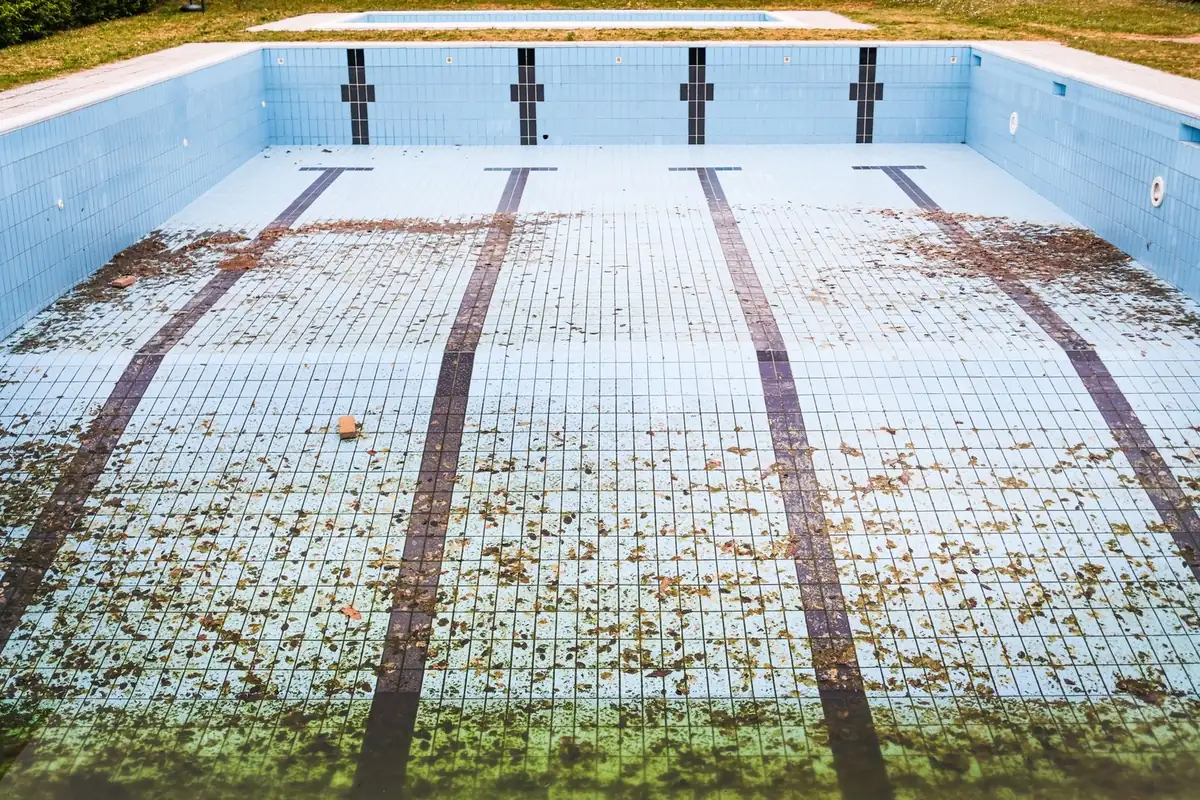
Why an empty pool can float
A full pool is held down by the weight of its water. Take the water out and the shell is suddenly much lighter. If the soil around it is saturated, the groundwater pushes up on the shell, a force called hydrostatic pressure. Fibreglass shells are lightest and most at risk, but concrete pools can lift or crack too.
When the risk is highest in Brisbane
After heavy rain, in low-lying streets near creeks and the river, in bayside suburbs where the water table sits close to the surface, and on sloping blocks where water runs down towards the pool. None of these mean a pool can't be drained, only that it needs to be checked and managed first.
What a pool specialist does before draining
They check the ground around the pool for water, open the hydrostatic relief valve in the floor if the pool has one, and plan the drain-down so the pool isn't left empty longer than needed. Large volumes of pool water also have to go where local rules allow, not into a neighbour's yard.
Your pool fence still has to comply
In Queensland, the pool barrier has to stay compliant the whole time, including while the pool is empty, and that's the owner's responsibility. If a section of fence has to come out for access, temporary fencing should go up. Work that disturbs the fence, gates or levels around the pool can also trigger a barrier reassessment.
What it means for your renovation
Good planning is the cheap part. A shell lifted by groundwater can cost far more than the renovation itself. When you compare quotes, ask each pool specialist how they'll check groundwater, how long the pool will sit empty, and how the fence will stay compliant.
What you get for the price
The standard we ask of every pool specialist we refer you to
The pool specialist does the work, not us. Ask for each of these in your written quote and contract.
- A pool specialist with a current QBCC licence for the work, and public liability insurance (certificate on request)
- Pipework by a licensed plumber and anything electrical by a licensed electrician
- A written, itemised quote: drain-down, preparation, repairs, finish, tiles, coping and clean-up listed
- A written contract for any job over $3,300, with no more than the legal maximum deposit
- Queensland Home Warranty Scheme cover arranged on residential work over $3,300 where it applies
- Groundwater checked before the pool is drained, and the pool barrier kept compliant during the job
- Photos of the shell repairs before they are covered, and a walk-through when the pool is refilled
Photos of the repairs, and a written scope
Crack and shell repairs disappear under the new finish. You get photos of them before they're covered, plus a written scope and start-up advice for the new surface before anything starts.
Licensed, insured pool specialist, public liability certificate on request
Questions people ask
Sources
Related services
Published 17 November 2026.